
Steam Bans Forced-Ad Games

Valve has established a dedicated policy page outlining advertising restrictions, explicitly banning games that compel players to view mandatory in-game advertisements. Learn more about these guidelines and their impact on gamers.
Valve Implements Strict Rules Against Forced In-Game Ads
Developers Must Remove Compulsory Ad Content

Valve has published a comprehensive policy explicitly prohibiting games that force players to watch advertisements or offer rewards exclusively through ad-viewing. This practice, prevalent in mobile gaming and free-to-play titles promoted across social media, typically features unskippable ads between levels or as currency-exchange mechanisms for in-game benefits.
While embedded in Steamworks' terms since 2019, these advertising restrictions now have a standalone policy page for better visibility. This change likely responds to the platform's exponential growth - SteamDB reports 18,942 game releases in 2024 alone, highlighting the need for clearer guidelines amidst increasing submissions.
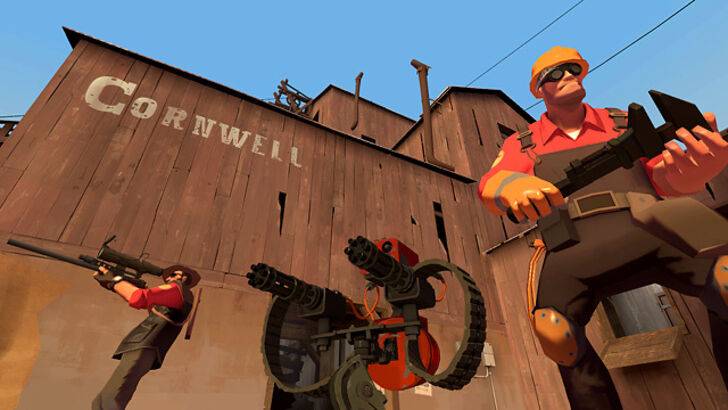
Valve's intensified enforcement reflects Steam's ad-free platform philosophy. The marketplace rejects advertisement-dependent monetization models, requiring developers to either eliminate forced ads or redesign their product as premium software before submission. Alternatively, creators may implement voluntary microtransactions or DLC, as demonstrated by the successful Steam adaptation of mobile game Good Pizza, Great Pizza.
Approved Marketing: Product Placement and Cross-Promotions
The policy permits non-intrusive marketing like product placement and promotional bundles when properly licensed. This accommodates authentic brand integrations in genres like racing simulators (F1 Manager's sponsor decals) or skateboarding games featuring real equipment brands, maintaining immersion while supporting realistic game worlds.
This initiative elevates PC gaming standards by ensuring advertisement-free gameplay experiences. Steam users can enjoy uninterrupted play without compromising game quality or immersion through forced marketing interruptions.
New Warnings for Inactive Early Access Titles
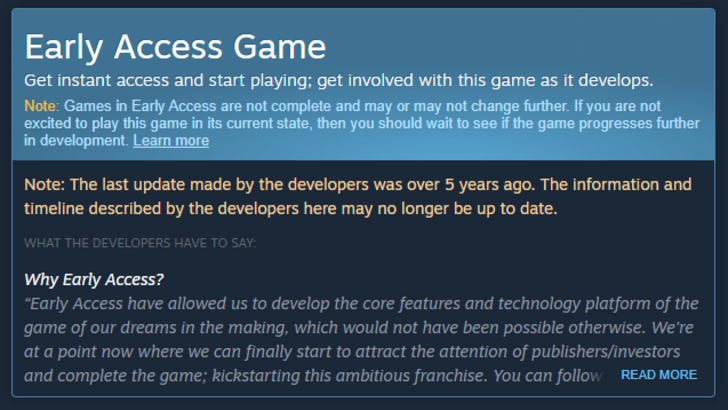
Steam now automatically flags Early Access games inactive for 12+ months, adding prominent store page notices about outdated developer information. This transparency measure helps shoppers identify potentially abandoned projects amid Steam's crowded Early Access marketplace.
While user reviews previously signaled neglected games, these official warnings provide immediate visibility. The gaming community has largely praised the feature on forums and social media, though some argue titles unupdated for 5+ years should face removal.
Latest Articles
Trending Games
![A Father’s Sins – Going to Hell [Ch. 7 Public] By Pixieblink](https://ima.hhn6.com/uploads/67/1719578270667eae9eb6a75.jpg)


Top News


![Roblox Forsaken Characters Tier List [UPDATED] (2025)](https://ima.hhn6.com/uploads/18/17380116246797f3e8a8a39.jpg)


Latest Games