As of now, Steam does not ban games simply because they are "forced-ad" games, but it does have policies that govern how games are developed and monetized, especially regarding advertising and player experience. Here’s a breakdown of what Steam actually enforces: 1. Steam's Content Policy and Monetization Guidelines Steam’s Developer Terms of Service and Content Policy state that: Games must not contain "deceptive, misleading, or exploitative" monetization practices. Forced ads (e.g., pop-up ads that cannot be skipped, ads that interrupt gameplay, or ads that are required to progress) can violate Steam’s policy if they: Disrupt gameplay unfairly. Force players to watch ads to continue playing (e.g., "Watch an ad to skip the tutorial"). Are used to manipulate or pressure users into watching ads. 2. What Steam Does Ban Steam may take action against games that: Use aggressive or intrusive ad implementations (e.g., auto-playing video ads, modal popups that block game progress). Trap users into watching ads to unlock content or continue playing (this is considered exploitative). Mislead users about ad frequency or required viewing. ⚠️ Note: Steam does not ban all ad-supported games. Many successful games (e.g., free-to-play mobile games, indie games) use ads in a fair and optional way — and that's allowed. 3. Examples of What’s Acceptable vs. Not Practice Allowed? Why 10-minute ad break after every 30 mins of gameplay ❌ Too disruptive; considered "forced" and exploitative Optional ad to unlock a cosmetic or extra lives ✅ Player choice; not disruptive Ads in a non-intrusive menu (e.g., a small banner on a pause screen) ✅ Not interrupting gameplay "Watch 30 seconds of ad to skip waiting" in a long loading screen ⚠️ Risky — could be seen as coercive 4. What Happens If a Game Violates the Policy? The game may be removed from Steam. The developer may face account restrictions or payment holds. Steam may flag the game in store pages, reducing visibility. 5. Best Practices for Indie Developers Make ads optional, not mandatory. Avoid interrupting gameplay with ads. Be transparent about ad frequency and impact. Test user experience — if players feel "trapped," it’s a red flag. ✅ Bottom Line: Steam does not automatically ban "forced-ad" games, but it does ban games that use ads in a way that exploits or harms the player experience. The key is consent and fairness — not whether ads exist, but how and when they appear. If you're developing an ad-supported game, focus on user choice, transparency, and minimal disruption to stay compliant. For full details, review: Steam Developer Agreement Steam Content Policy Let me know if you'd like help reviewing a specific ad model for Steam compliance!
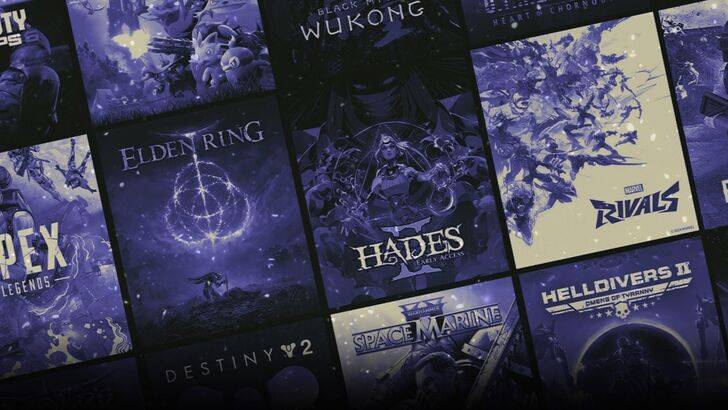
Valve создал специальную страницу политики, подробно регулирующую ограничения рекламы, прямо запрещающие игры, которые заставляют игроков смотреть обязательные встроенные рекламные объявления. Узнайте больше об этих руководящих принципах и их влиянии на игроков.
Valve вводит строгие правила против принудительной встроенной рекламы
Разработчики должны устранить обязательный рекламный контент
 Valve опубликовала подробную политику, прямо запрещающую игры, которые заставляют игроков смотреть рекламу или получать вознаграждение исключительно за просмотр рекламы. Такой подход, распространённый в мобильных играх и бесплатных играх с оплатой за контент, представленных в социальных сетях, обычно включает непрерывную рекламу между уровнями или использование рекламы как механизма обмена на игровую валюту для получения игровых преимуществ.
Хотя ограничения рекламы с 2019 года включены в условия Steamworks, теперь они получили отдельную страницу политики для лучшей видимости. Этот шаг, вероятно, вызван экспоненциальным ростом платформы — по данным SteamDB, только в 2024 году было выпущено 18 942 игры, что подчёркивает необходимость более чётких руководящих принципов в условиях растущего числа подач.
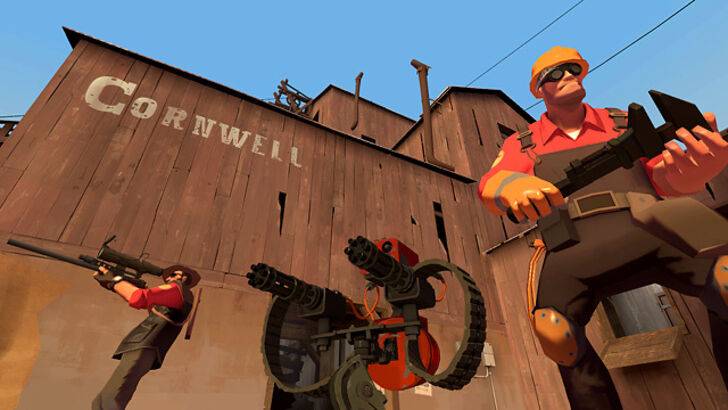 Ужесточение контроля со стороны Valve отражает философию платформы Steam как полностью свободной от рекламы. Маркетплейс отклоняет модели монетизации, основанные на рекламе, требуя от разработчиков либо устранить принудительную рекламу, либо переработать продукт как платное программное обеспечение перед подачей. Альтернативно, авторы могут внедрить добровольные микротранзакции или дополнительный контент, как это успешно реализовано при адаптации мобильной игры Good Pizza, Great Pizza на Steam.
Разрешённая реклама: встроенные бренды и кросс-промо
Политика допускает не навязчивые формы маркетинга, такие как встраивание брендов и рекламные пакеты, при условии получения соответствующей лицензии. Это позволяет реализовывать аутентичные интеграции брендов в жанрах, где они органично вписываются, например, в гоночные симуляторы (нанесение логотипов спонсоров в F1 Manager) или игры про скейтбординг с использованием реальных брендов снаряжения, сохраняя погружение и поддерживая реализм игрового мира.
Этот инициативный шаг повышает стандарты ПК-игр, обеспечивая бесрекламные игровые процессы. Пользователи Steam могут наслаждаться беспрерывной игрой без потери качества или погружения из-за навязчивых рекламных вставок.
Новые предупреждения для неактивных игр в раннем доступе
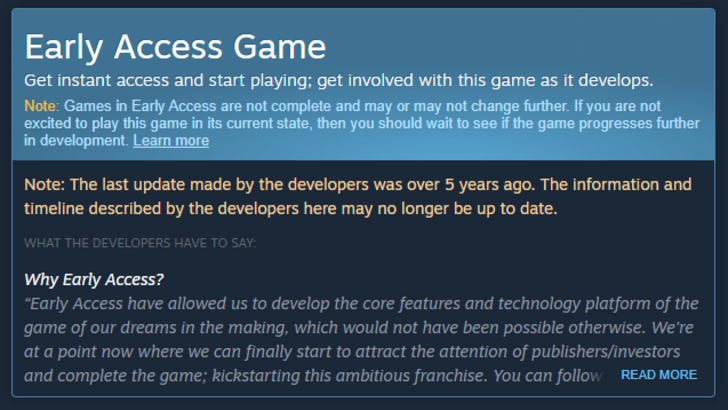 Steam теперь автоматически помечает игры в раннем доступе, не обновлявшиеся более 12 месяцев, добавляя на их страницы в магазине явные предупреждения о устаревшей информации о разработчике. Эта мера прозрачности помогает покупателям идентифицировать потенциально брошенные проекты на перегруженном рынке раннего доступа Steam.
Хотя ранее пользовательские отзывы указывали на заброшенные игры, теперь официальные предупреждения обеспечивают немедленную видимость. Сообщество игроков в целом одобрило эту функцию на форумах и в соцсетях, хотя некоторые считают, что игры, не обновлявшиеся более 5 лет, должны быть удалены.
Трендовые игры
![A Father’s Sins – Going to Hell [Ch. 7 Public] By Pixieblink](https://ima.hhn6.com/uploads/67/1719578270667eae9eb6a75.jpg)


Главные новости


](https://ima.hhn6.com/uploads/18/17380116246797f3e8a8a39.jpg)


Последние игры