Anwendungsbeschreibung
A Comprehensive Guide to Understanding Acne (Updated: April 8, 2021 – Version 1.1)
Acne is one of the most common skin conditions affecting people of all ages, but it’s most prevalent during adolescence. While often thought of as a "teenage problem," acne can persist into adulthood and significantly impact self-esteem and mental well-being. This updated guide provides a clear, science-based overview of acne—its causes, types, treatment options, and effective prevention strategies.
📌 What Is Acne?
Acne is a chronic inflammatory skin condition that occurs when hair follicles become clogged with oil (sebum) and dead skin cells. This leads to the formation of whiteheads, blackheads, pimples, and sometimes deeper, painful cysts. It most commonly affects the face, neck, chest, back, and shoulders—areas with a high density of sebaceous (oil) glands.
🔍 What Causes Acne?
Acne develops due to a combination of four primary factors:
-
Excess Sebum Production
Hormonal changes (especially androgens) stimulate the sebaceous glands to produce too much oil. This is common during puberty, menstruation, pregnancy, and in hormonal disorders like PCOS. -
Clogged Hair Follicles
Dead skin cells and excess sebum can plug the pores, creating a breeding ground for bacteria. -
Bacterial Growth (Cutibacterium acnes)
The bacteria C. acnes naturally lives on the skin. When trapped in clogged pores, it multiplies rapidly, leading to inflammation and infection. -
Inflammation
The body’s immune response to trapped bacteria causes redness, swelling, and pus-filled lesions.
🌟 Types of Acne
Understanding the different forms of acne helps determine the best treatment approach:
-
Comedonal Acne:
Includes whiteheads (closed pores) and blackheads (open pores). Often caused by clogged follicles without significant inflammation. -
Inflammatory Acne:
Features red, swollen pimples (papules and pustules), nodules, and cysts. These are more severe and can lead to scarring. -
Hormonal Acne:
Often appears along the jawline, chin, and neck, and flares up before menstruation. Common in adult women. -
Cystic Acne:
Deep, painful, pus-filled cysts under the skin. This severe form is more likely to scar and often requires professional treatment.
🧴 Effective Acne Treatments
Treatment depends on acne severity and type. Always consult a dermatologist for a personalized plan.
✅ Over-the-Counter (OTC) Treatments
- Benzoyl Peroxide (2.5%–10%): Kills C. acnes bacteria, reduces inflammation, and helps unclog pores.
- Salicylic Acid (0.5%–2%): Gently exfoliates and clears dead skin cells and oil.
- Retinoids (e.g., adapalene): Prevents clogging and promotes cell turnover (available in OTC and prescription forms).
💊 Prescription Treatments
- Topical Antibiotics (e.g., clindamycin, erythromycin): Reduce bacteria and inflammation.
- Oral Antibiotics (e.g., doxycycline, minocycline): For moderate to severe inflammatory acne.
- Hormonal Therapies: Birth control pills or anti-androgen drugs (e.g., spironolactone) for hormonal acne in women.
- Isotretinoin (Accutane): For severe, treatment-resistant cystic acne. Very effective but requires close monitoring due to potential side effects.
🌿 Lifestyle and Home Remedies (Supportive, Not Curative)
- Wash face twice daily with a gentle cleanser (avoid harsh scrubs).
- Use non-comedogenic, oil-free skincare and makeup.
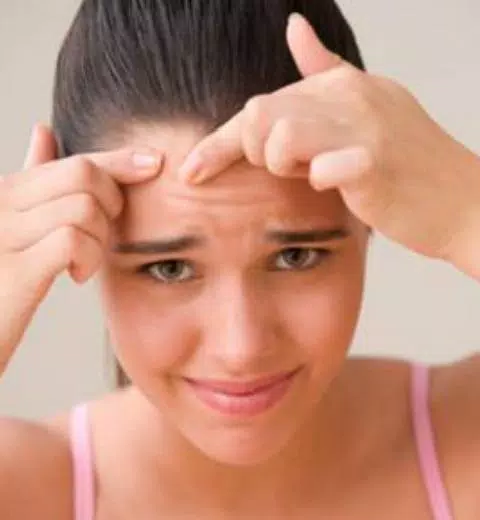
- Avoid picking or popping pimples (increases scarring risk).
- Manage stress—stress can worsen acne via cortisol and hormone fluctuations.
- Maintain a balanced diet (some evidence suggests high glycemic foods and dairy may exacerbate acne).
❌ Common Acne Myths Debunked
-
Myth: Chocolate and greasy foods cause acne.
Fact: No strong evidence links diet directly to acne, though some people may notice a personal trigger. -
Myth: Acne is just a cosmetic issue.
Fact: Acne can cause emotional distress, anxiety, and depression. It’s a medical condition that deserves proper care. -
Myth: You should wash your face 10 times a day to clear acne.
Fact: Overwashing dries out the skin, triggering more oil production and worsening breakouts.
🛡️ Prevention Tips
- Use skincare products labeled "non-comedogenic."
- Change pillowcases and phone screens regularly (they harbor bacteria).
- Avoid tight clothing or hats that trap sweat and oil.
- Be consistent with your treatment—results take 4–8 weeks.
- Protect skin from sun exposure (some acne treatments increase sun sensitivity).
📱 Updated in Version 1.1 (April 8, 2021)
This updated guide includes:
- Minor bug fixes for improved readability and navigation.
- Enhanced section on hormonal acne and lifestyle management.
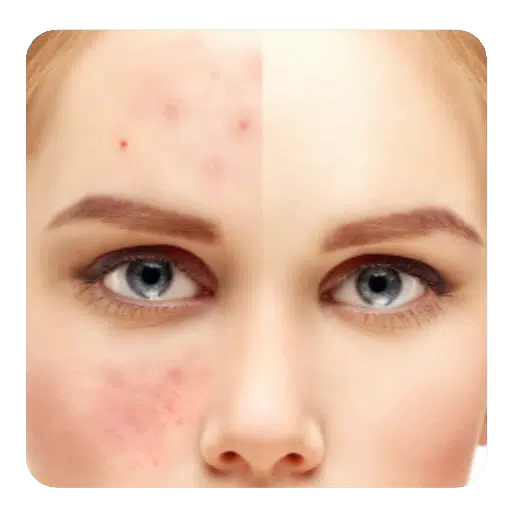
- Clearer visuals (in app version) to help identify acne types.
- Updated dermatologist-recommended product list based on 2021 research.
✅ Final Thoughts
Acne is treatable and manageable with the right approach. Early intervention reduces scarring and boosts confidence. Whether you're dealing with occasional breakouts or persistent cystic acne, knowledge is power—armed with science-backed strategies, you can achieve healthier, clearer skin.
💬 Pro Tip: If your acne doesn’t improve after 6–8 weeks of consistent OTC treatment, see a dermatologist. You’re not alone—and help is available.
📘 Download or Update to Version 1.1 Today to get the most accurate, up-to-date, and user-friendly acne guide tailored for everyone—from teens to adults.
Your skin, your health, your journey to clarity starts here. 🌿✨
Screenshot
Rezensionen
Apps wie guide to Get rid of Acne









Trend-Apps


Top-Nachrichten


](https://ima.hhn6.com/uploads/18/17380116246797f3e8a8a39.jpg)


Neueste Apps





Neueste Artikel