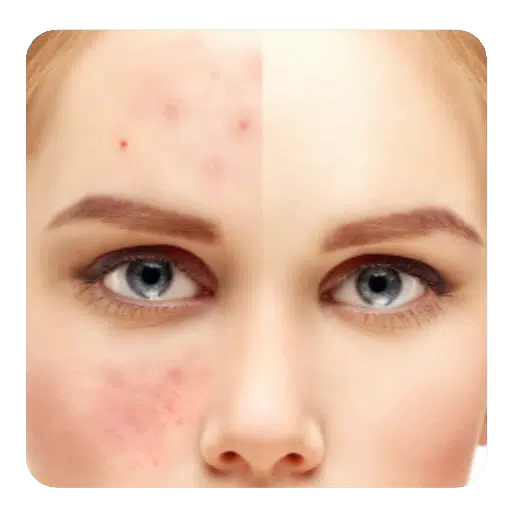
Description de l'application
Certainly! Here's a polished and informative version of your original content, suitable for a blog post, app description, or educational resource:
A Comprehensive Guide to Understanding Acne
Last Updated: April 8, 2021
Acne is one of the most common skin conditions affecting people of all ages, but it’s especially prevalent during adolescence. Despite its widespread nature, acne remains misunderstood by many—leading to frustration, self-consciousness, and ineffective treatment attempts.
Whether you're battling occasional breakouts or struggling with persistent acne, understanding the root causes, triggers, and effective management strategies can make all the difference.
What Is Acne?
Acne is a chronic inflammatory skin condition that occurs when hair follicles become clogged with oil (sebum) and dead skin cells. This blockage leads to the formation of blackheads, whiteheads, pimples, cysts, and nodules—commonly found on the face, neck, chest, back, and shoulders.
Common Causes of Acne
Understanding acne isn’t just about spotting a pimple—it's about recognizing the complex mix of factors that contribute to it:
-
Excess Sebum Production
Hormonal changes, especially increased androgens during puberty, trigger oil glands to overproduce sebum, which can clog pores. -
Clogged Pores
Dead skin cells and excess sebum combine to block hair follicles, creating an environment where acne-causing bacteria (Cutibacterium acnes) thrive. -
Bacterial Overgrowth
C. acnes bacteria multiply in clogged pores, causing inflammation and the red, swollen pimples associated with acne. -
Inflammation
The immune system’s response to bacterial buildup leads to swelling, pain, and pus-filled lesions. -
Hormonal Fluctuations
Hormonal shifts during menstruation, pregnancy, polycystic ovary syndrome (PCOS), or starting/stopping birth control can trigger breakouts. -
Diet and Lifestyle Factors
Emerging research suggests diets high in dairy, sugar, and processed foods may worsen acne. Stress and lack of sleep can also impact hormone levels and skin health. -
Genetics
Acne tends to run in families—your genes play a role in how oily your skin is and how your body responds to inflammation. -
Medications and Cosmetics
Certain drugs (like steroids or lithium) and oil-based skincare products can clog pores and worsen acne.
Common Types of Acne Lesions
- Comedones: Non-inflammatory bumps (blackheads and whiteheads)
- Papules: Small, red, tender bumps
- Pustules: Pimples with pus, often with a white or yellow center
- Nodules: Large, painful, solid lumps under the skin
- Cysts: Deep, painful, pus-filled lesions that can cause scarring
How to Prevent and Treat Acne
1. Gentle Skincare Routine
- Wash your face twice daily with a mild, non-comedogenic cleanser.
- Avoid harsh scrubbing—this can irritate skin and worsen breakouts.
- Use non-comedogenic moisturizers and sunscreen.
2. Over-the-Counter (OTC) Treatments
- Benzoyl Peroxide – Kills acne-causing bacteria and reduces inflammation (available in 2.5%–10% strengths).
- Salicylic Acid – Exfoliates and clears pores (ideal for oily or textured skin).
- Retinoids (like adapalene) – Helps unclog pores and prevent new breakouts.
3. Prescription Treatments (if OTC isn't enough)
- Topical retinoids (tretinoin, tazarotene)
- Antibiotics (clindamycin, doxycycline)
- Oral contraceptives (for hormonal acne in women)
- Isotretinoin (for severe, treatment-resistant acne—requires close monitoring)
4. Lifestyle Tips
- Eat a balanced diet rich in fruits, vegetables, and whole grains.
- Limit intake of high-glycemic foods and dairy if you notice a link to breakouts.
- Manage stress with mindfulness, exercise, and good sleep hygiene.
- Avoid picking or popping pimples—this can cause scarring and spread bacteria.
When to See a Dermatologist
Consult a board-certified dermatologist if:
- Over-the-counter treatments aren’t working after 6–8 weeks.
- You have severe or cystic acne.
- You’re experiencing scarring or emotional distress due to acne.
Early and proper treatment can prevent long-term damage and improve both skin health and self-esteem.
What’s New in Version 1.1 (Updated April 8, 2021)
We’re continuously improving your acne education experience! Version 1.1 includes:
- ✅ Minor bug fixes for better navigation and performance
- ✅ Enhanced readability with clearer headings and visual formatting
- ✅ Updated references to current research on diet and acne
- ✅ Improved mobile responsiveness for easier reading on any device
Update now to get the latest, most accurate, and user-friendly version of this guide!
Whether you're just starting your skincare journey or looking to fine-tune your routine, this guide offers science-backed insights to help you understand acne—and take control of your skin.
💡 Remember: Clear skin is achievable. Knowledge is your first step.
Let me know if you’d like a printable PDF version, social media snippets, or a version tailored for a mobile app or website!
Capture d'écran
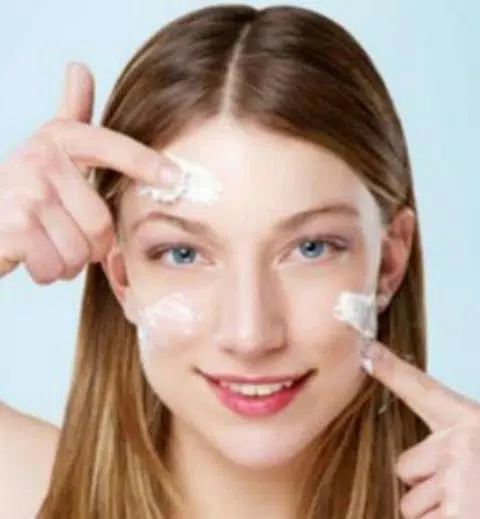
Applications semblables à guide to Get rid of Acne







Applications tendance


Meilleures nouvelles


](https://ima.hhn6.com/uploads/18/17380116246797f3e8a8a39.jpg)


Dernières applications





Derniers articles